
Making 'Excellent' mean the same everywhere · Back Market
Making 'Excellent' mean the same thing at every refurbisher.
A concept for a grading assistant Back Market could give its refurbisher partners. A photo booth and AI mark scratches, diagnostics run automatically, and the technician confirms the grade, so 'Good' or 'Excellent' means the same at every refurbisher.
Self-initiated concept. Not affiliated with or endorsed by Back Market.
- Role
- Self-initiated concept, from workshop visit to tested prototype
- Company
- Back Market (concept)
- Timeline
- 2024 · 6 weeks, evenings
- Team
- Solo, with 4 refurbishers and 6 technicians who joined research and tests
- Platforms
- Web app for refurbisher partners, Photo booth at the grading bench, Label printer

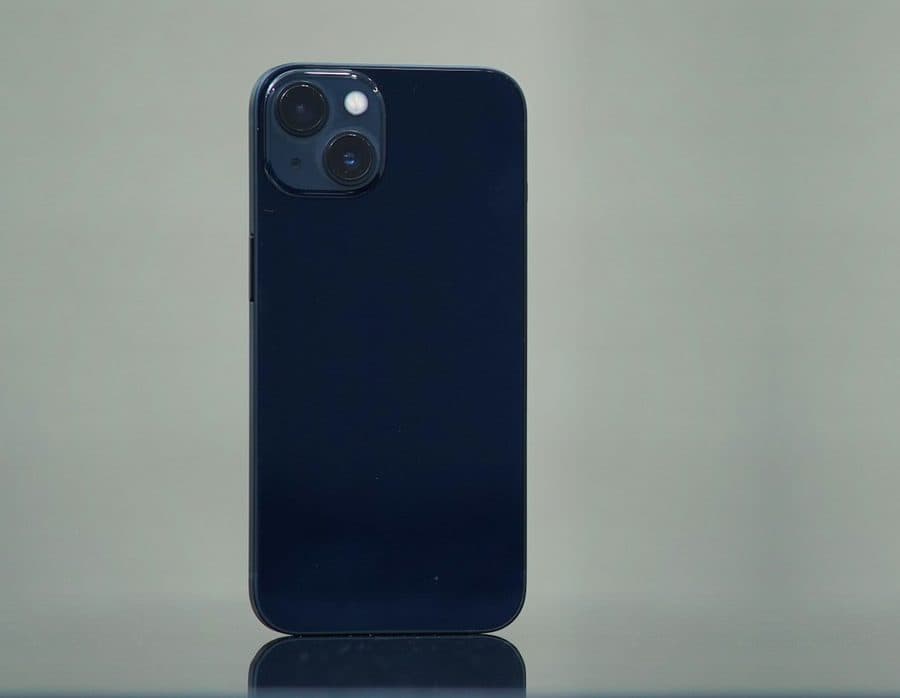

1Scratches are marked on the photo where they were found
2The grade uses the same definitions at every refurbisher
3The technician confirms the grade before it counts
58% → 88%
Technicians agreeing on a grade, blind test
−35%
Time per device in the prototype
3 of 4
Refurbishers who'd adopt it
1
Shared grading guide, built into the tool
The problem
Back Market is a marketplace: independent refurbishers test and grade the devices. When grading depends on each technician's eye and lighting, a phone sold as 'Excellent' by one seller can look like 'Good' from another, and buyers notice.
What I did
I visited a refurbishing workshop in Rotterdam, interviewed four refurbishers, ran a blind grading test with six technicians, and designed a grading assistant in Back Market's visual identity: booth photos with marked scratches, a suggested grade with reasons, and the technician's confirmation.
What changed
In a second blind test with the prototype, agreement between technicians went from 58% to 88%, and grading took about a third less time. Three of the four refurbishers said they'd use it if Back Market offered it.
01 · Context
Why I picked Back Market.
Back Market is one of Europe's largest marketplaces for refurbished electronics. It doesn't refurbish devices itself: hundreds of independent refurbishers do, and Back Market sets the quality standards. The grade a buyer sees, Fair, Good or Excellent, is the promise everything rests on.
This is a self-initiated concept. I don't work for Back Market or its partners. The research is with refurbishers in the Netherlands, and the design follows Back Market's public visual identity.
- 01Device arrivesTrade-in or bulk purchase
- 02DiagnosticsBattery, screen, cameras
- 03Cosmetic gradeJudged by eye today
- 04Listed on Back MarketFair, Good or Excellent
- 05Buyer receivesCompares with the promise
Where inconsistency comes from
02 · Problem
One phone, three grades.
I asked six technicians from two refurbishers to grade the same 20 phones under their normal workshop light, without talking to each other. They agreed only 58% of the time.
| Device | Technician A | Technician B | Technician C | Agreed grade |
|---|---|---|---|---|
| iPhone 13, Midnight | Excellent | Good | Good | Good |
| Galaxy S21, Grey | Good | Fair | Good | Good |
| iPhone 12 mini, White | Fair | Good | Fair | Fair |
| Pixel 6, Black | Good | Good | Excellent | Good |
| iPhone SE, Red | Excellent | Excellent | Good | Excellent |
The question I worked on
How might every refurbisher grade the same way, quickly, while keeping the technician's judgement where it matters?
03 · Research
A day at the grading bench.
I spent a day in a refurbishing workshop in Rotterdam, interviewed the owners of four refurbishers, and read 300 public reviews on refurbished-phone marketplaces that mention a device's condition.
Light changes everything
Scratches visible under a bench lamp disappeared under ceiling light. Each technician tilted the phone differently to find them.
“Under this light it's Excellent. Under that one it's Good.”
Standards live in people's heads
Every workshop had its own version of the rules, passed on by whoever trained new people.
“I grade like my trainer graded.”
Buyers return surprises
Negative reviews rarely said the phone was broken. They said it was worse than described, usually a scratch nobody mentioned.
“It works fine, but 'Excellent' it is not.”
04 · Process
Six weeks, tested at the bench.
AI grades on its own
Refurbishers are responsible for their listings and didn't want a model deciding for them.
Printed grading guide
Helped a little. Still depended on light and on how carefully people looked.
Booth photos, marked scratches, technician confirms
Same light every time, marks on the photos, a suggested grade with reasons, and the technician decides.
05 · Design decisions
Same light, visible marks, a person decides.
The grade comes with its reasons
The assistant shows a suggested grade with the marks it's based on, circled on the booth photos. The technician confirms or changes it, and a change asks for a reason, which is how the shared guide keeps improving.
Like new
No visible marks under booth light from four sides.
Light signs of use
Up to 3 light scratches, none on the screen.
Visible wear
Scuffs on the frame or a light screen scratch.
Not sellable yet
Cracks, dead pixels or a failed diagnostic.
The queue sets the pace
The bench shows the next devices in line and a simple daily counter. Technicians said it felt fair because everyone sees the same queue.
Back Market can see where grading drifts
A calibration view shows how often each refurbisher's grades match the assistant's suggestions. Disagreements go to review, which would let Back Market keep one standard across hundreds of partners.
The label says what the buyer will see
The printed label and the Back Market listing use the same grade words and the same battery number, so what the technician confirms is what the buyer reads.
06 · Results
What the tests showed.
“When we disagree now, we look at the same photo instead of arguing.”
“If Back Market gave us this, we'd stop arguing with buyers about scratches.”
07 · Reflection
What I learned.
Writing the grading rules down was half the project. The assistant only helped because the technicians first agreed, together, what each grade meant.
Tools on this project
Figma, Principle, A simple photo booth with two LED panels, Google Sheets, Loom
Names of the people quoted have been changed to protect their privacy.
PackPulse Insights →